
This World AIDS Day, AIDS Healthcare Foundation looks back on nearly 40 years of fighting HIV/AIDS and 25 years of global programs with a message that remains as urgent as ever: AIDS is not over.
Even after decades of medical advances that have transformed HIV from a once-fatal diagnosis into a manageable chronic condition, millions of people around the world still lack access to lifesaving treatment, new infections continue, and hundreds of thousands die from AIDS-related illnesses each year. As AHF approaches these historic milestones, the organization calls for governments worldwide to renew commitments to HIV prevention, treatment, and long-term retention in care.
AHF’s story began in Los Angeles, in 1987, when AIDS was devastating communities, and effective treatment remained out of reach. Originally established as the AIDS Hospice Foundation, the organization opened its first hospice in 1988 to provide compassionate care for people dying of AIDS. Its mission was rooted in the belief that everyone deserved dignity, care, and support, regardless of their circumstances.
The arrival of effective combination antiretroviral therapy in 1996 changed the course of the epidemic. As people living with HIV began living longer, AHF shifted its focus toward expanding access to treatment, challenging the idea that lifesaving medicines should only be available to those who could afford them.
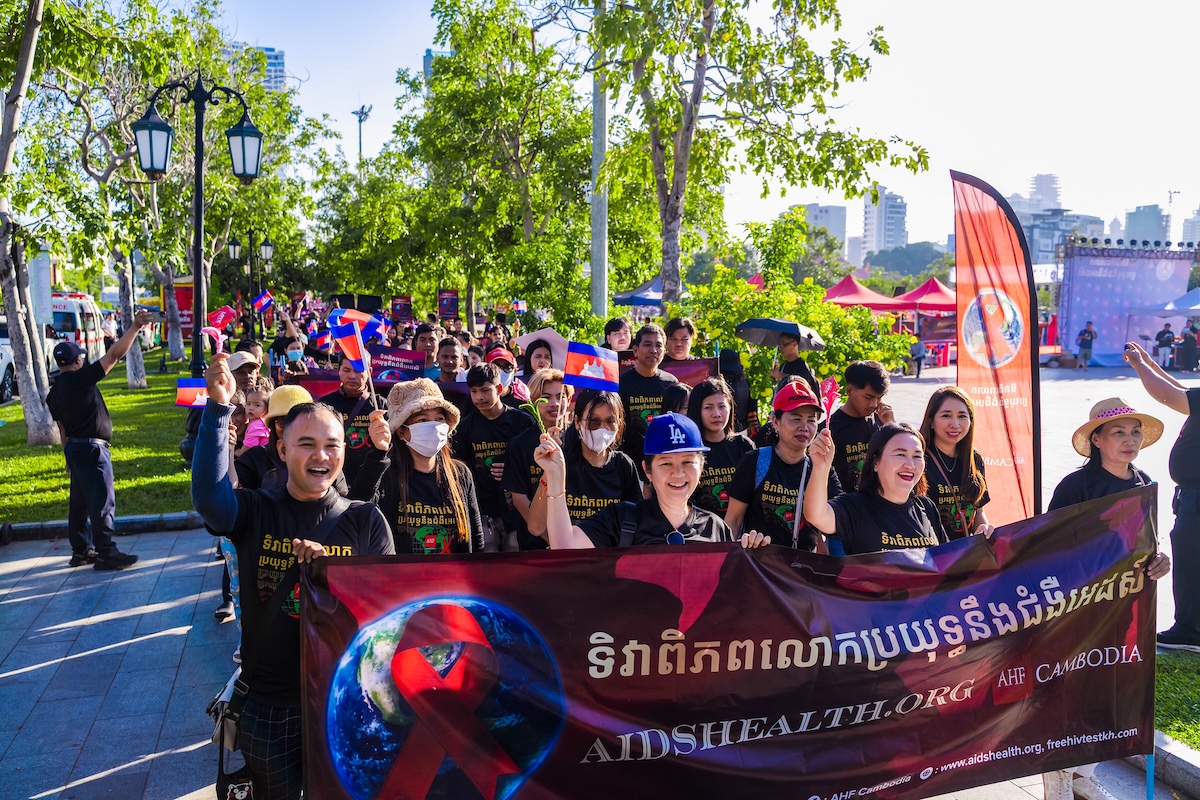
That commitment took AHF beyond the United States, with programs starting in South Africa and Uganda in 2001, bringing lifesaving HIV treatment to communities where access was severely limited. What began with early efforts in two countries grew into an international network of clinics, healthcare workers, and community partnerships dedicated to making treatment accessible regardless of income or geography — such as AHF’s program in Cambodia (pictured above).
Today, AHF provides care to more than 3 million people across 50 countries, a milestone that reflects the progress made since its earliest days. But AIDS is still far from over. An estimated 1.2 million people acquired HIV in 2025, while approximately 570,000 died from AIDS-related illnesses. Stigma, discrimination, funding shortfalls, and gaps in treatment access and retention continue to threaten progress.
For people living with HIV, getting diagnosed and starting treatment are only the beginning. AHF’s analysis of 2024 HIV care data across 49 countries where it works found that approximately 8.5 million people were not virally suppressed, meaning treatment had not reduced the amount of HIV in their blood to sufficiently low levels. When treatment reduces HIV to undetectable levels, the virus can’t be transmitted sexually. Staying on treatment and maintaining viral suppression are essential to keeping people healthy and preventing HIV transmission.
From hospice beds in Los Angeles to HIV clinics around the world, AHF’s history reflects how much has changed in the fight against AIDS – and how much still needs to be done. This World AIDS Day, four decades of progress are worth recognizing, but the work of ending AIDS is far from finished.
Brian Shepherd is an Associate Director of Global Policy and Communication at the AIDS Healthcare Foundation.