

Matt Patterson is the Director of Contracts and Performance Management for AHF affiliate Broward House, an organization dedicated to improving the quality of life for individuals impacted by chronic health challenges, including HIV. His story is next in our “I Am AHF” series featuring remarkable staff, clients, and partners who are doing what’s right to save lives everyday.
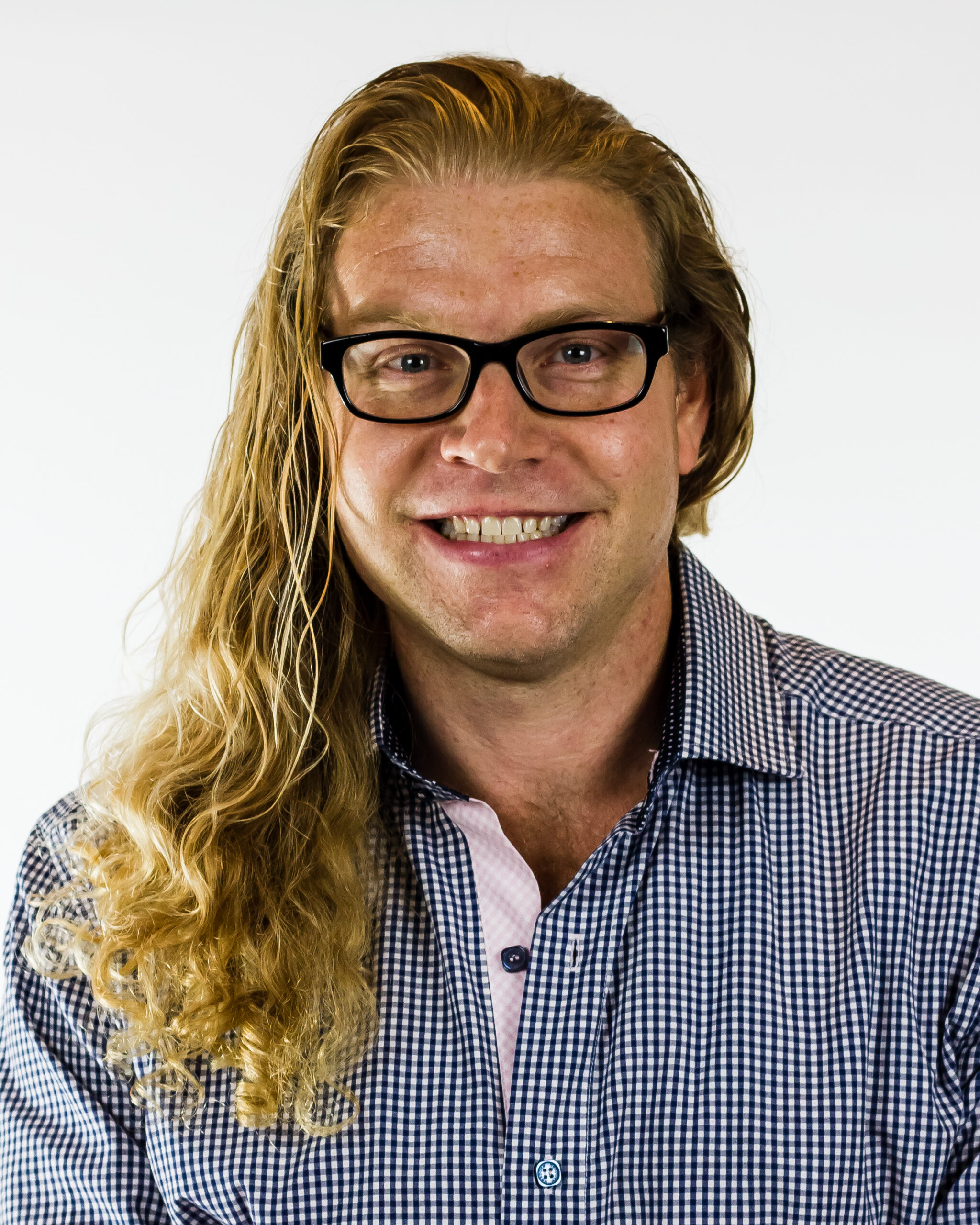
I grew up in Waldorf, Maryland, a small town about 45 minutes south of Washington, D.C. I was raised in a large, close-knit family with two brothers and two sisters. My father was a carpenter, and my mother stayed home with us for much of my childhood. We were not wealthy, but we always had what we needed, and my parents gave us a lot of love and stability.
My family was also very religious, and we spent a lot of time in church growing up. Looking back, I would describe my childhood as fairly conventional until adolescence, when I began to realize I was bisexual. Growing up in a conservative environment, I quickly internalized the feeling that I needed to hide who I was. That sense of isolation shaped a lot of my early struggles and contributed to the substance use issues I later faced.
As a young person, I often felt that being LGBTQ+ made me “wrong” or unwelcome. At the same time, I also experienced extraordinary compassion from people and organizations that believed in me when I did not believe in myself. I learned that dignity, community, and care can completely change the trajectory of someone’s life. Those experiences shaped how I view people today and why I care so deeply about advocacy and community-centered care.
In my early twenties, I moved to South Florida, a place where I felt I could finally be myself openly. Unfortunately, at the time, I was also struggling heavily with substance use and instability, and my addiction worsened after I arrived.
I spent nearly a decade struggling with crystal meth addiction, homelessness, and repeated involvement with the criminal justice system. During that time, I often felt hopeless and disconnected from society.
While I was incarcerated in Palm Beach County, I learned that I was living with HIV. It was an awful place to get diagnosed. There was no explanation, and I was released with a 14-day push pack of medicine and no real plan for what came next.
After my release, someone close to me encouraged me to go to Broward House, which provides housing assistance, behavioral health and substance use treatment, case management, linkage to HIV care, and more.
At first, I was not ready for recovery, and I relapsed multiple times. In fact, I entered Broward House treatment programs three separate times before recovery finally began to stick.
That is something I think is important for people to hear: recovery is not always linear. Sometimes people need multiple chances, guidance, and time.
What made Broward House different was that people there treated me with dignity and compassion even when I could not see value in myself. They did not define me by my worst moments. They saw potential in me before I could see it on my own.
One of the defining moments was when staff at Broward House encouraged me to return to school. At the time, I was living in treatment housing and never imagined higher education would be possible for someone with my history.
Using Florida’s Homeless Tuition Waiver, I enrolled at Broward College and eventually earned my associate degree before transferring to Florida Atlantic University (FAU), where I earned my bachelor’s degree and master’s degree in social work in an incredibly short period of time. Through my social work program, I was able to complete my internship at Broward House.
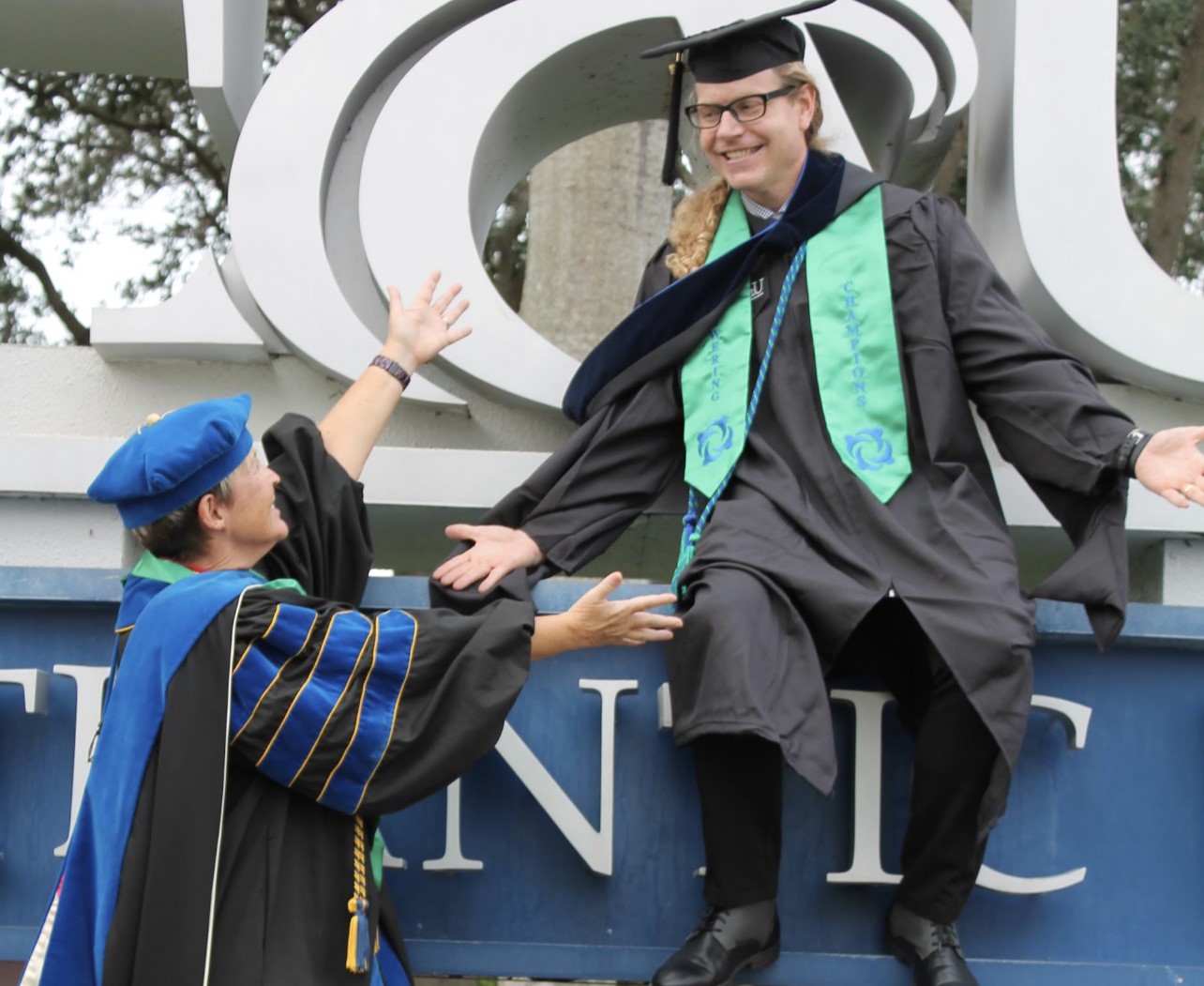
After earning my master’s in social work in 2022, I started working at Broward House as a therapist. I wanted to give back to clients like me because I can uniquely relate to people who have experienced homelessness, substance use disorder, incarceration, and other forms of instability and stigma. A few months later, however, I learned that my criminal record created barriers to pursuing clinical social work licensure in Florida.
Rather than giving up, I pivoted. I transitioned into grant writing and administration at Broward House and began taking evening classes in nonprofit management. I realized I could still advocate for clients and support the organization’s mission by helping secure funding and tell the stories of the people we serve. Two years later, I completed my second master’s degree and began pursuing a PhD in Public Administration at FAU.
I currently serve as Director of Contracts and Performance Management at Broward House. My role includes grant writing, program oversight, evaluation, compliance, and helping secure funding for services that support our clients.
No two days are exactly alike. Some days involve writing grants and analyzing program data, while other days involve collaborating with staff, advocating for clients, or helping shape new initiatives. I also remain heavily involved in research and evaluation projects focused on homelessness, HIV, and behavioral health.
What I enjoy most is advocating for people who are too often underestimated. I love helping funders, policymakers, and community members understand that recovery and stability are possible when people are given opportunity and resources.
Stigma remains one of the biggest challenges. Many people living with HIV, substance use disorders, or histories of homelessness also face discrimination related to criminal records, mental health, housing instability, poverty, and loss of family support.
These barriers are interconnected. It is difficult to focus on health and wellness when someone lacks stable housing, transportation, safety, or community.
Broward House embraces a housing first philosophy and recognizes that housing is health care. Clients are not expected to “earn” dignity or care. Instead, the organization focuses on building trust, stability, and individualized pathways toward wellness.
Most importantly, Broward House believes in people. Clients are treated with empathy and respect, even during setbacks. That kind of encouragement can completely change someone’s future.
Being part of Broward House means being part of a community that believes people deserve dignity, compassion, and second chances. This organization helped save my life, and it is incredibly meaningful to now give back through my work.
Success used to mean survival. Today, success means living with purpose, helping others, continuing to grow, and using my experiences to improve systems and create opportunities for people who are often left behind.
To me, success is helping people realize that their hardest moments do not define their future. It is seeing someone regain their dignity or find it for the first time. It is the light returning to their eyes. It is knowing that they are worthy. Success is not happiness all the time, but it is peace within even during the storms.
One of the most meaningful things for me has been seeing other people with histories similar to mine rebuild their lives and become leaders in the community. That gave me hope when I needed it most.
I have also lost friends along the way, including people who were doing well in recovery before experiencing relapses or overdose. Those experiences remind me how important compassion, harm reduction, and ongoing care truly are. They also remind me that there is often very little separating someone who survives from someone who does not.
Stigma still prevents people from seeking testing, accessing treatment, asking for help, and feeling worthy of care and connection. Although medical advancements have changed what it means to live with HIV, fear and misinformation still exist.
Reducing stigma is essential because nobody should feel ashamed for seeking health care or support. That is why community-centered care is so important. It recognizes that people are experts in their own experiences. Real healing happens through trust, relationships, and culturally responsive care systems.
When services are designed with communities rather than simply for communities, people are more likely to feel safe, respected, and empowered.
To truly support people, we need greater investment in affordable housing, behavioral healthcare, harm reduction, transportation, education, and long-term supportive services. We also need policies that reduce barriers related to criminal records and economic instability.