Recent statistics from the Centers for Disease Controls and Prevention show that women account for nearly 20% of new annual HIV diagnoses in the United States, with heterosexual contact and injection drug use as primary transmission modes. And Black and Hispanic/Latina women face extreme and disproportionate statistical impacts compared to white women. Without question, the HIV epidemic involves women, especially women of color, but they continue to be an absent face at the policy table when it comes to HIV prevention, both domestically and across the globe.
U.N. Women, a global group created by the United Nations, has revealed that sexism and gender inequality heavily block HIV prevention by creating unequal power dynamics, limiting access to education, and fueling stigma. These systemic barriers prevent women and marginalized groups from negotiating safer sex or seeking timely medical care.
In further study of this issue, research indicates that women often have less information about HIV and fewer resources to take preventive measures. They also face barriers to the negotiation of safer sex—because of unequal power dynamics with men.
Other contributing factors to the silencing of women in prevention is sexual violence and a widespread violation of women’s rights. Evidence suggests that marriage can be a major risk factor, especially for young women and girls.
Many women living with HIV struggle with stigma and exclusion, aggravated by their lack of rights. Sexism permeates its ills in the public health sector, with women widowed by AIDS, or living with HIV, often facing property disputes with in-laws, which is complicated by limited access to justice to uphold their rights.
Regardless of whether they themselves are living with HIV, women generally assume a disproportionate burden of care for others who are sick from or dying of AIDS. This, in turn, can reduce prospects for education and employment.
But with the myriad of issues that women confront every day, even with sexism at its core, hope is not lost.
Through AIDS Healthcare Foundation’s community-focused initiatives, which directly support the empowerment of women and girls domestically and internationally, programs like Girls Act and SPARK (Sisters working together to Promote Awareness through Resources and Knowledge) are actively seeking to shift the narrative of women being a silent voice in prevention to leading the charge.
Girls Act, AHF’s global program created by girls and for girls, empowers girls and young women to be healthy and thrive. The program builds leadership, confidence, and life skills, encouraging members to take charge of their health, engage with their communities, and become advocates for change.
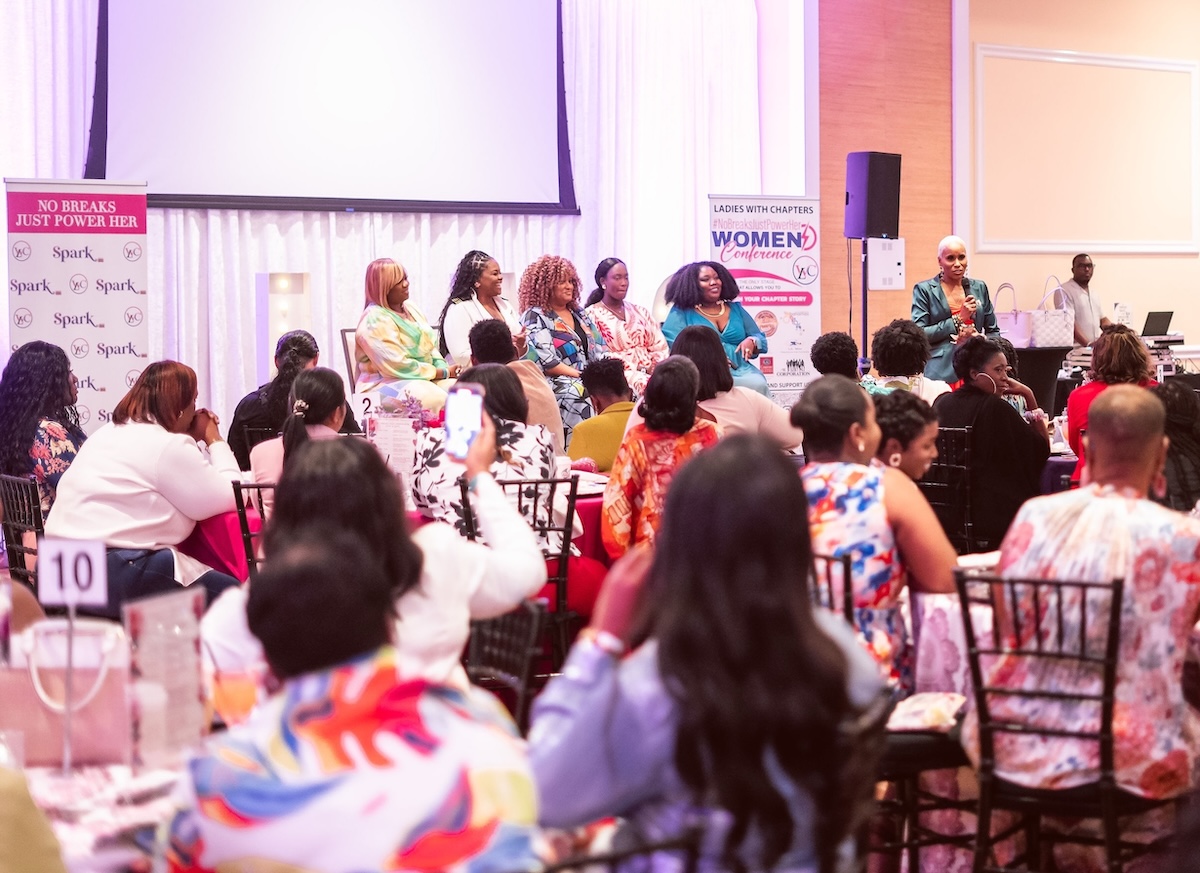
With a primary focus on women within the United States, AHF’s SPARK (pictured above) empowers women and girls by providing knowledge, resources, and a strong community that nurtures health, well-being, and personal growth.
Collectively, these two programs are meeting women and girls in their communities and providing the critical education and resources needed.
To date, Girls Act directly engages more than 4,500 girls in over 35 countries and has distributed more than one million sanitary pads. On the domestic side, SPARK consistently engages thousands of women across the U.S. and has prepared and distributed over 3,000 personal hygiene kits.
For both AHF initiatives, the work has only just begun, with a dedicated focus to push back against the systemic ills of sexism and to ensure that all women live the fullness of their lives, knowing that we are our sister’s keeper and what impacts one impacts us all.
W. Imara Canady is Director of Communications and Community Engagement at AIDS Healthcare Foundation.