
For people living in remote communities in Panama’s mountainous Ngäbe-Buglé region, reaching health services can require community members to travel hours or even days, with transportation costs creating another barrier to care. AIDS Healthcare Foundation’s program in Panama, called AHF Panama, is working with the Ministry of Health and local leaders to bring HIV testing, prevention education, and connections to treatment directly to these rural communities—work featured in a new short documentary, Saving Lives No Matter the Distance.
The inspiring film follows AHF Panama teams as they make those long journeys into remote communities to provide free and confidential rapid HIV testing, counseling, and prevention education.
Rather than waiting for people to come to a health center, teams bring services closer to residents who might otherwise face significant geographic, economic, and stigma-related barriers to HIV services.
“No one should be left behind, especially those who face greater barriers to opportunity and access to health care, as many Ngäbe-Buglé communities do,” explains Natasha Dormoi Eluf, AHF Panama Country Program Manager.
She adds: “We came here to listen, to work alongside the communities, and to help amplify their voices, so that society can better understand their culture, their realities, and the challenges they face—and respond to their health needs with greater humanity, respect, and effectiveness.”
Building trust is key.
AHF Panama works with youth, community and government leaders, and traditional healers known locally as sukias. Trusted figures in Ngäbe-Buglé communities, sukias can help bridge cultural understandings of health and HIV services, opening doors that might otherwise remain closed.
By bringing services closer to people who have historically faced barriers to care, the program is helping to identify previously undiagnosed HIV cases and link people to treatment.
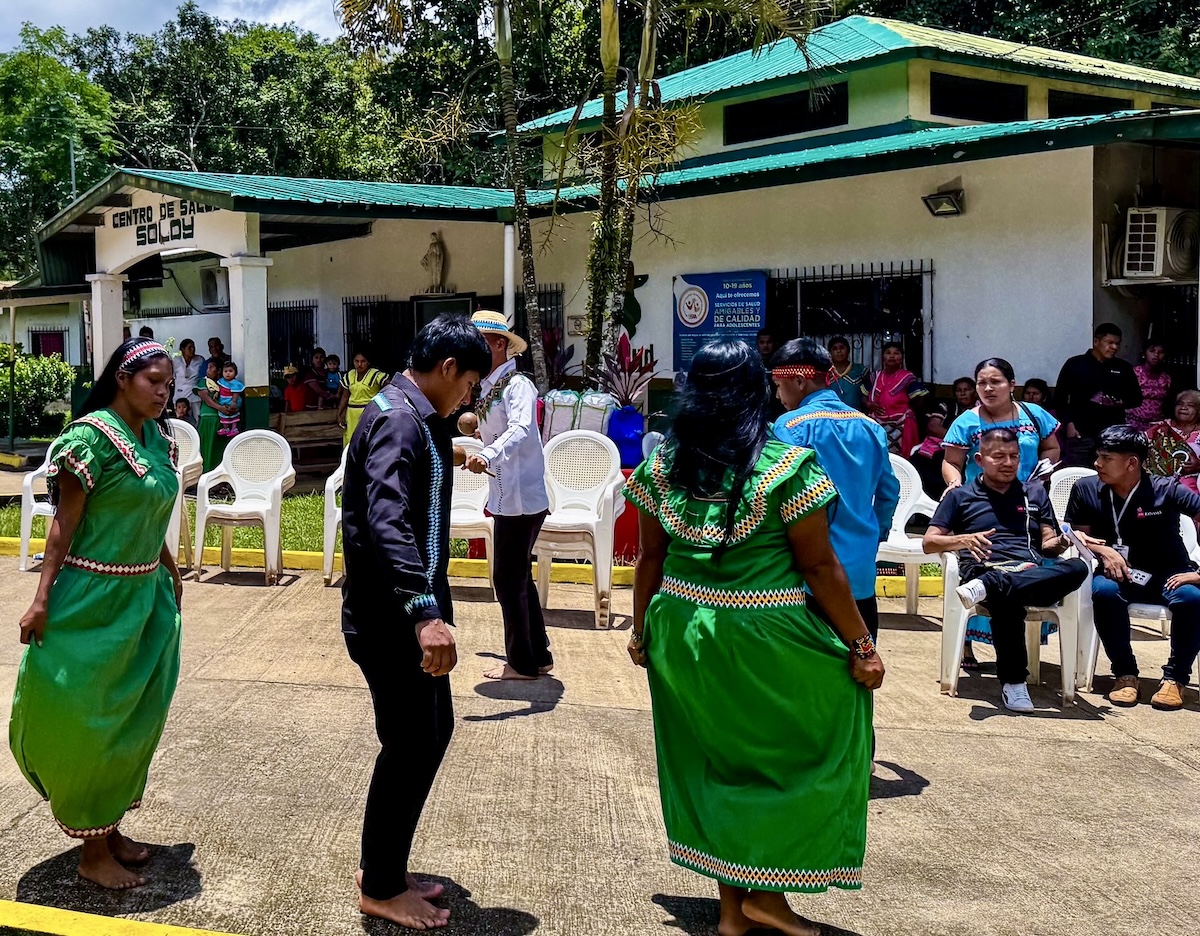
Increased outreach, including social events like in the picture above, and active case finding are expanding the health system’s reach into communities that have traditionally been difficult to serve.
The end result will be healthier people taking drug treatments, which will also help control the spread of HIV.
(Click here to watch Saving Lives No Matter the Distance.)
Brian Shepherd is an Associate Director of Global Policy and Communications at AIDS Healthcare Foundation.