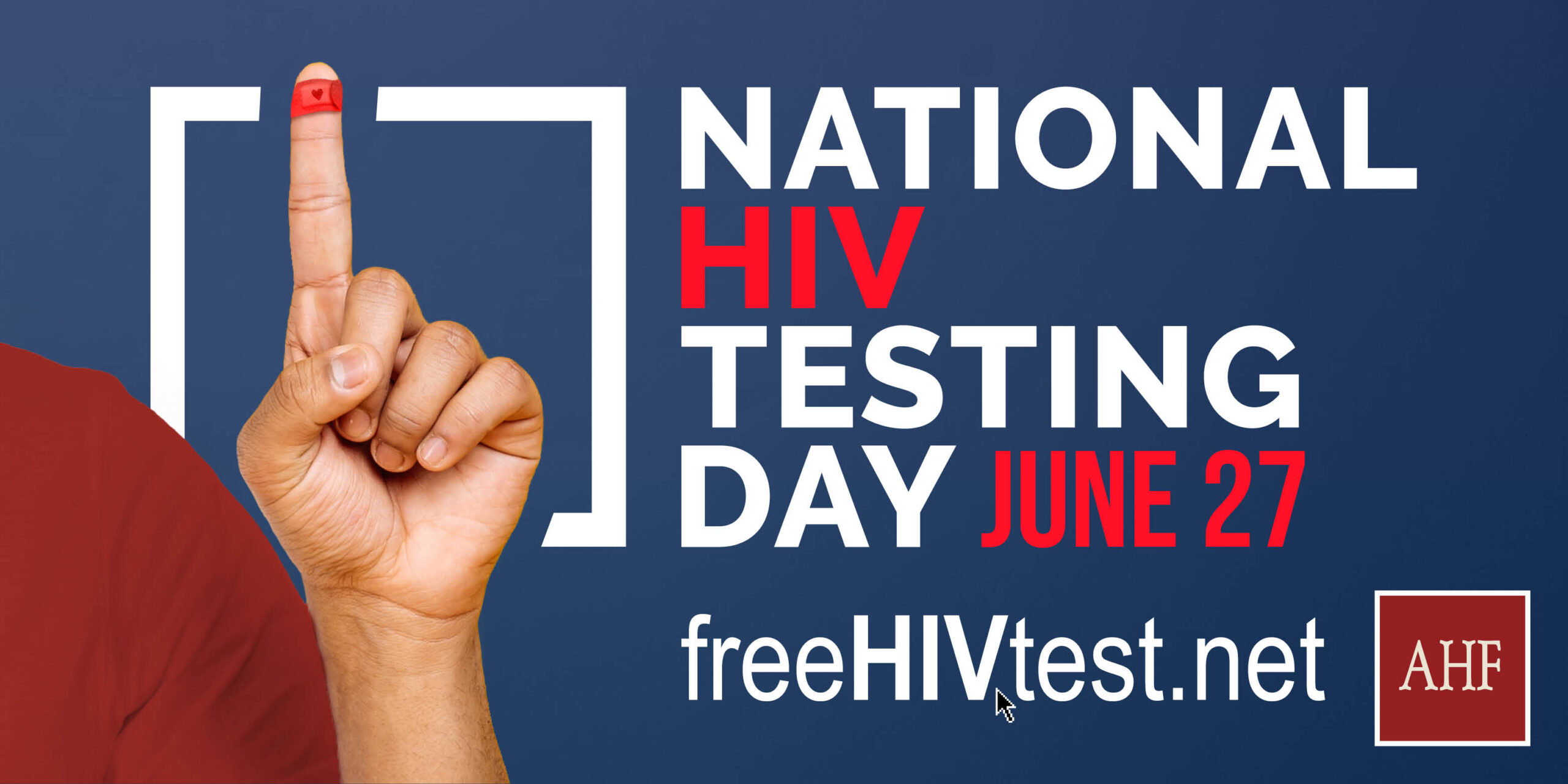



Precious Kaniki is a Linkage Assistant for AHF Zambia. Her story is next in our “I Am AHF” series featuring remarkable staff, clients, and partners who are doing what’s right to save lives everyday. Interviewed by Diana Shpak, Knowledge Management Focal Point, AHF Europe.

Every name carries a meaning, and in some quiet way, it can shape a person’s destiny. Precious means rare, valuable, and deeply cherished, and in Precious Kaniki’s life, that meaning feels beautifully true.
Born in Zambia, the land of the magnificent Victoria Falls, Precious is 32 years old and has been living with HIV for more than 19 years. She was only 14 years old when she tested HIV positive—an age when life should still feel gentle and protected, not marked by a diagnosis that would change everything. Her journey with AHF began in 2015, when she started volunteering at the clinic where she collected her own medication. After graduating in Social Work, she continued serving there, later completed AHF-sponsored HIV Medic training, and officially joined AHF in 2017.
For many years, Precious lived in denial about her diagnosis. But during her training, she came to truly understand and accept what it means to live with HIV. That turning point changed her life. Now, in her 9th year with AHF Zambia, Precious serves as a Linkage to Care Assistant, transforming her own story into strength, compassion, and hope for others.
Can you share a moment that deeply shaped who you are today?
There is one experience I always speak about because it shaped me into the person I am today. I met a 19-year-old girl who had just tested positive for HIV. At that time, I was 24, and for the first time in a long while, I saw myself in her.
For seven years, I had not been taking my medication. I had gone through denial, darkness, and even thoughts of suicide. When I saw her crying uncontrollably, something in me changed. I told myself, “This girl will not go through what I went through.”
At that time, I was only a volunteer. I had not yet gone to school, but I took her as my own sister and helped her navigate her diagnosis. Today, she is still here, and she is raising two HIV-negative children. For me, that became a living sign of hope. From that moment on, I could not let a young person pass through the clinic without speaking to them. I wanted to know: How are they doing with treatment? Are they adhering? Have they disclosed? Do they have support?
In 2017, I started the first support group for young people living with HIV at Chifundo Clinic. What began as a physical group has grown into both in-person meetings and a WhatsApp community. Today, it includes more than 200 young people living with HIV. AHF now supports the group with monthly meetings, but in the beginning, we simply did what we could whenever support was available. That journey remains very close to my heart because it reminds me how pain can be transformed into purpose.
Can you tell us more about the support groups you created? Are they mostly for people from Zambia, or also from other countries?
Because I am public about my HIV status and do a lot of advocacy on social media, I created two support groups. One is a broader WhatsApp group where young people reach out not only from Zambia, but also from other countries, mostly across Africa.
The second is the AHF support group I started in 2017. It was originally in person and is now run by the youth coordinator for AHF Zambia, mainly serving young people from two Lusaka facilities: Chifundo Clinic and Lusungu Clinic.
What do you usually talk about when you have meetings with these groups?
We talk about everything connected to positive living, HIV, self-care, mental health, and how to build a strong life. We also include practical skills-building, such as tailoring, so young people can learn how to support themselves and not depend on others for survival. The group also benefits from Girls Act and the programs it offers.
Do you have a family of your own?
Yes, I do. I have a little daughter who is HIV-negative, and she just turned four. She is a big girl now. When I was younger and growing up with HIV, I believed I might never get married, or that I could pass HIV on to my child.
But pregnancy became a very joyful journey for me because, by then, I was taking my medication properly and understood that my health was stable. It was an amazing feeling to carry my baby, knowing that with prevention and treatment, she would be fine—and she is. My husband is also HIV-positive, and we both take our medication well.
What does that experience mean to you today?
It means that life truly goes on. People living with HIV can build families, have healthy children, and live full, beautiful lives. That is one of the most powerful truths I carry, both for myself and for the people I support.
What have the people you support taught you about strength, and what have you taken from them into your own life?
Working with AHF has deeply shaped me because our care is patient-centered. Through the people I support—especially young people living with HIV—I am constantly reminded that life is not only about pressure or struggle, it is also about courage, discipline, and hope.
When I see someone come for their medication pick-up, taking their treatment faithfully even while facing challenges, it reminds me that I also need to stay strong, take my medication properly, and keep going. Because I live publicly with HIV, I feel a responsibility to be a living example—to show that HIV does not define the end of life. You can still be well, work, study, and move forward.
I often tell young people, “I have been living with HIV for 19 years, nearly 20 now. I am here, I am doing fine, and you can do it too.”
Their strength humbles me. Many of the young people I see come from rural settings and walk long distances—sometimes 30 or 40 minutes, even more—just to reach the clinic. When I see that effort, I am reminded of how much determination they carry within them.
What matters most to me is not only giving medicine but being present. I often share my phone number and tell them, “Whatever you are going through, you can reach out.” I do this because I remember my own experience. For seven years, I moved through clinic visits with a smile, saying, “I’m fine,” while inside I was struggling deeply. No one really asked, “How are you, truly?”
That is why I try to be that person for others now. HIV is not easy to live with. It is something you carry every day, and it requires daily discipline. I do my best to support people not only with care, but with compassion—because sometimes being truly seen can make all the difference.

If you could change one thing to make linkage to care easier for clients, what would it be?
I would change the attitude within health facilities. In my view, attitude can determine whether a person stays on treatment or walks away from care. The first visit is especially important because that is the moment when someone’s whole world may be falling apart.
I know this not only as a health worker of nine years, but from my own story. When I tested positive at 14, I was simply told, “You are going to be fine. You just must take your medicine.” There was no real counseling, no time, and no space for what I was feeling. Yet HIV treatment is lifelong—it cannot be handled as something quick and routine.
Sometimes, because of stress or other pressures, health workers move too fast. But people need more than instructions. They need to feel seen, heard, and supported from the very beginning.
If you could say one thing to a person who has just been diagnosed with HIV and is afraid to seek care, what would you tell them?
I would tell them: there is life beyond an HIV diagnosis. What you are feeling now is real, and it is okay to cry, but you do not have to stay in that pain forever. Life will keep moving, and so can you. HIV does not mean your life is over. It does not matter how you got HIV—what matters now is how you choose to live. With treatment, support, and courage, you can still build a full, meaningful, and beautiful life.
How big is your AHF team?
At the facility where I work, we are only two AHF staff members. It is a government-supported facility, so yes, sometimes it really feels like two people carrying a lot.
What does real happiness mean to you?
For me, real happiness means being true to myself. It means practicing self-care, knowing when to rest, and reminding myself, “Precious, you can do this.” If I am well, then I can also give light and support others.
What do you enjoy outside of work?
I love blogging and writing about life. I also enjoy cooking, even if I am not the best at it, and I love singing and dancing with my little daughter.
Is there anything else you would like to share?
I want to appreciate AHF because, without this opportunity, my journey could have been very different. AHF helped me grow, study, and see that there is life beyond an HIV diagnosis.
I also want to encourage mothers living with HIV. I have been living with HIV for more than 19 years, and my daughter is HIV-negative. It is possible to have healthy, HIV-negative children if mothers follow treatment and care throughout pregnancy, childbirth, and breastfeeding. That gives me hope for a future where fewer babies will need ARVs.