



Bipartisan legislation appropriates $30.9 million in bridge funding, restores state’s AIDS Drug Assistance Program’s (ADAP) eligibility to 400% FPL, and imposes new financial reporting requirements on the Department of Health
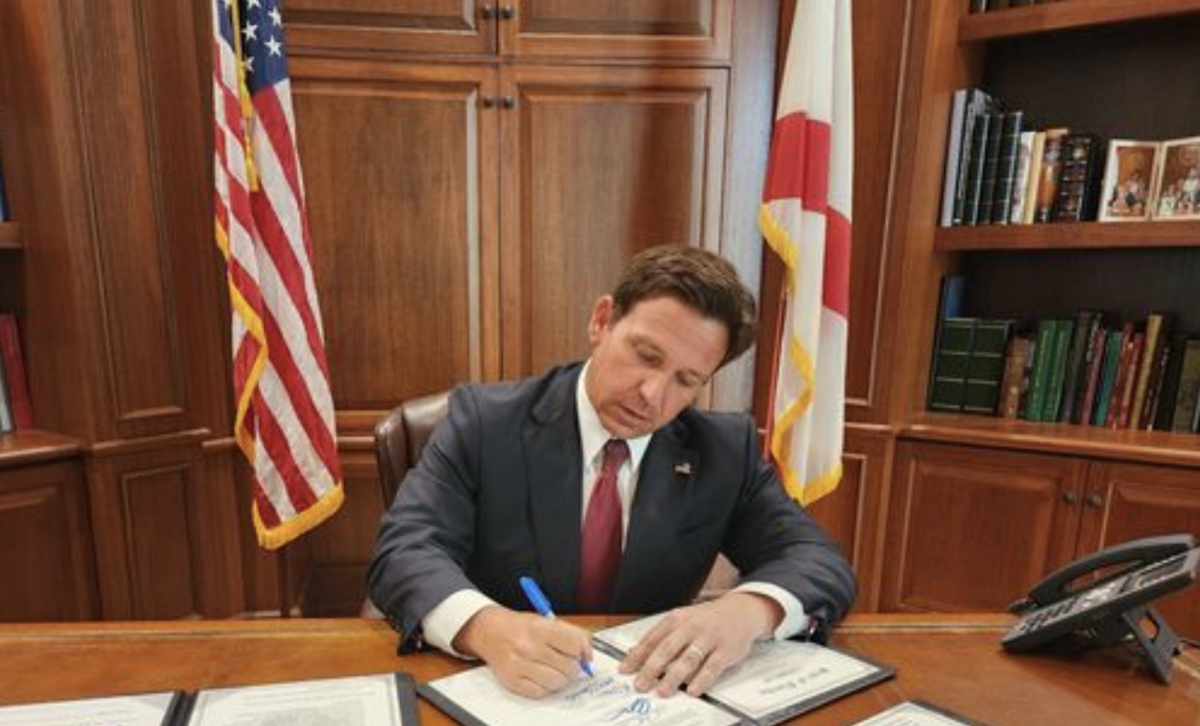
FORT LAUDERDALE, FL (March 24, 2026) — Governor Ron DeSantis has signed into law emergency legislation restoring access to life-saving HIV medications for more than 12,000 Floridians who lost coverage when the Florida Department of Health cut the state’s AIDS Drug Assistance Program on March 1.
The legislation, which passed both chambers of the Florida Legislature unanimously, appropriates $30.9 million in emergency bridge funding through June 30, 2026, restores Florida’s AIDS Drug Assistance Program’s income eligibility to 400 percent of the Federal Poverty Level, and requires the Department of Health to submit detailed monthly financial reports to legislative leadership beginning April 1.
“For ten weeks, 12,000 Floridians living with HIV did not know if they could fill their next prescription. Today, they can,” said Esteban Wood, Director of Advocacy and Legislative Affairs at AIDS Healthcare Foundation.
What the Legislation Does
On March 1, the Department of Health reduced ADAP income eligibility from 400 percent to 130 percent of the Federal Poverty Level, eliminated health insurance premium assistance, and removed Biktarvy—the most widely prescribed HIV medication in the country—from the program’s formulary.
The emergency appropriation signed today restores eligibility to 400 percent of the Federal Poverty Level and provides $30.9 million to fund the program through June 30, 2026. Medications will be provided through direct distribution to eligible individuals.
Beginning April 1, the Department of Health must submit monthly reports to the Governor’s Office of Policy and Budget, the Senate Appropriations Committee, and the House Budget Committee. The reports must detail all federal revenues and expenditures including manufacturer rebates, enrollment figures by county and insurance status, prescription utilization by drug class, and any projected funding shortfalls. This is the first time the Legislature has required this level of financial transparency from the program.
Looking Ahead
The bridge funding and eligibility restoration expire on June 30. The long-term structure of ADAP will be determined by the FY 2026-27 state budget. AHF looks forward to working with the Legislature to ensure the program is on sustainable fiscal footing for the long term.
“Twelve thousand people can breathe a little easier tonight,” said Wood.
# # #