In America, rural states face serious issues when maintaining a good healthcare system — and a lack of money is high on the list. But there’s a little-known federal program, called the 340B Drug Pricing Program, that’s indispensable for keeping local hospitals open, funding a critical healthcare safety net, and, of course, keeping people free of sickness and disease. Without 340B, rural America would face a public health disaster.
340B, a highly successful program started under President George H.W. Bush in 1992, requires pharmaceutical companies to sell outpatient drugs to eligible “safety-net” healthcare providers at a discount. And that allows rural facilities, such as clinics and healthcare centers, to access vital savings.
For example, a rural, nonprofit hospital buys medication at a discounted 340B price from a pharmaceutical company. Let’s say a medication normally costs $100, but through 340B the hospital buys it for $80. Then when a doctor prescribes medication to a patient, the hospital can bill a private insurance company or Medicare at the standard negotiated rate of $100. The hospital keeps the $20 difference, which is plowed back into healthcare for rural, low-income Americans.
340B is particularly important for rural hospitals because they operate on razor-thin financial margins and take care of highly vulnerable, older, and lower-income populations. The 340B savings are often the only thing keeping a nonprofit hospital solvent.
340B savings also subsidize care that’s not paid by insurance, which is crucial — rural areas have disproportionately high numbers of uninsured or underinsured patients. So 340B savings allow hospitals to absorb the cost of charity care and provide free medications and health services to patients who could not otherwise afford them.
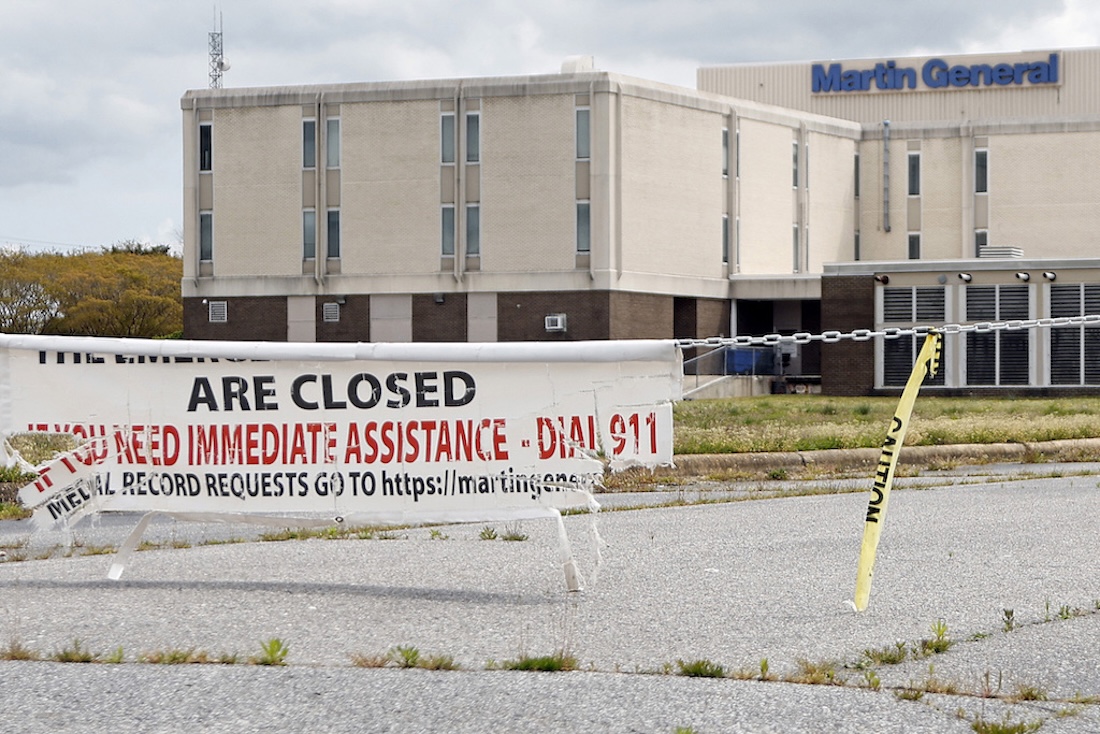
In addition, 340B prevents hospital closures, which is especially important since there may be no other hospital to help people in a given area. With massive percentages of rural hospitals across the country operating at a loss and at risk of shutting down, 340B savings generate the cash flow that keeps the lights on.
And 340B funds expensive services that lose money for nonprofit, rural hospitals. A staggering 95% of surveyed community health centers use 340B savings to maintain clinic sites, while others use them to sustain high-risk programs like obstetrics, labor and delivery, and mental health services.
340B also helps rural hospitals to provide specialty care to underserved populations. In fact, recent health data highlights that 340B-enrolled rural hospitals are significantly more likely to expand into oncology (cancer) care than non-enrolled hospitals. That’s a massive victory for rural residents, who are far away from healthcare specialists at city hospitals.
340B supports expanding mobile and telehealth networks as well. Rural states use the savings to fund transportation assistance, mobile health vans, and virtual care infrastructure to reach geographically isolated patients.
As one can see, no one should mess with 340B — whether that’s politicians or Big Pharma. The federal program literally gives life to rural hospitals and the lower-income patients they serve.
(Go to let340b.org for more information.)
John Hassell is the National Director Of Advocacy for AIDS Healthcare Foundation.