
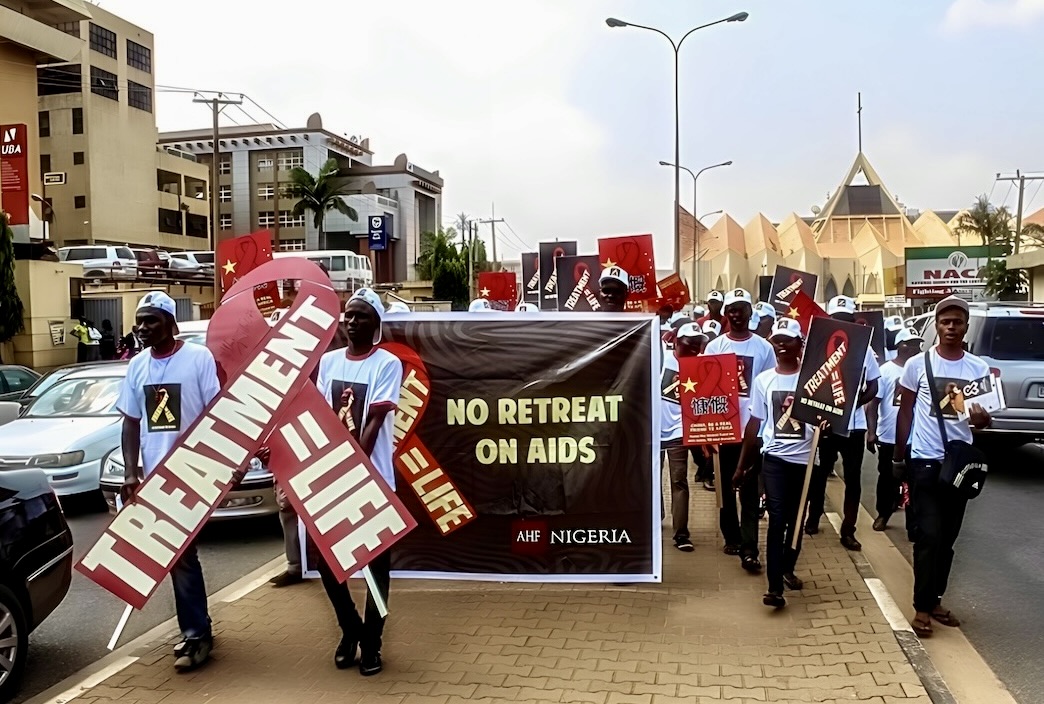
Despite decades of progress against HIV/AIDS, millions of people around the world still lack the consistent treatment needed to stay healthy and prevent new infections. AIDS Healthcare Foundation’s analysis of 2025 data across 49 countries where it works found that among nearly 33.9 million people living with HIV, more than 8.1 million don’t have the virus under control. While some countries have achieved remarkable results, persistent gaps in diagnosis, treatment, and keeping people in care show why governments must strengthen HIV services and ensure people can remain on treatment without interruption.
AHF’s ongoing “Treatment = Life” campaign emphasizes that testing and starting treatment are only the beginning. Effective treatment allows people living with HIV to lead long, healthy lives and achieve viral suppression—when the amount of HIV in the blood becomes so low that standard tests cannot detect it.
People who achieve and maintain viral suppression can’t transmit HIV through sex—an important fact that advocates and health experts call “Treatment as Prevention” (TasP). Achieving these outcomes requires reliable medicines, accessible services, and continued support to keep people in care.
The global HIV response has made enormous strides since antiretroviral therapy transformed HIV into a manageable chronic condition. International targets known as 95-95-95 aim to ensure that 95% of people living with HIV know their status, 95% of those diagnosed receive treatment, and 95% of those on treatment achieve viral suppression.
But progress remains uneven, and success in one stage of care does not guarantee success in the next.
For example, in Ghana, 70% of people living with HIV know their status, but only 56% receive treatment and 52% are virally suppressed. The Philippines faces even wider challenges, with just 62% diagnosed, 41% receiving treatment, and 40% virally suppressed.
These gaps show the need to connect people to care quickly and keep them there.
Even countries with stronger outcomes face challenges because of the scale of their epidemics.
South Africa reports 96% diagnosis coverage and 77% viral suppression, yet approximately 1.75 million people remain without viral suppression. By contrast, Lesotho has achieved 98% diagnosis coverage, 96% treatment coverage, and 95% viral suppression, demonstrating what sustained investment and effective HIV services can accomplish.
These disparities are especially concerning as funding pressures threaten decades of hard-won gains. Globally, an estimated 1.2 million people acquired HIV and 570,000 died of AIDS-related causes in 2025, reinforcing the urgency of protecting treatment programs.
Closing the gaps between diagnosis, treatment, and viral suppression is essential to saving lives and preventing new infections. Progress is possible, but it depends on sustained political commitment and health systems that support people long after their initial diagnosis.
Brian Shepherd is the Associate Director of Global Policy and Communications at AIDS Healthcare Foundation.